
11 January 2026
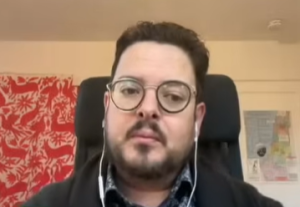
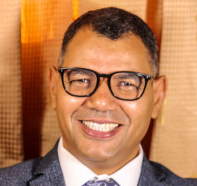
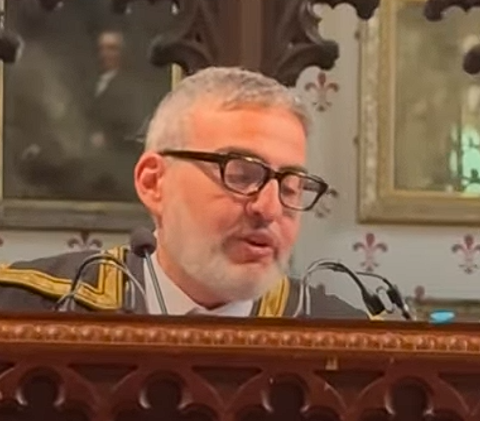
Dr Ghassan Abu-Sittah, a British-Palestinian plastic surgeon, has devoted his life to saving the lives of other Palestinians, many now facing genocide. And naturally he has from time to time voiced his support for other Palestinians who like him struggle for justice and freedom. Students at Glasgow University, recognising his heroic activity, elected him Rector of their University. That is enough to provoke UK Lawyers for Israel who have repeatedly sought to wreck his professional and public life by levelling spurious charges against him. Fortunately, fewer and fewer people are taken in by their mendacious claims. As this Guardian report explains, Dr Abu-Sittah has been cleared of the charges of antisemitism and support for a terrorist group by a special medical panel, after the latest attempt at lawfare.
University of Glasgow rector cleared by medical watchdog over alleged antisemitism
Palestine activist and doctor Ghassan Abu-Sittah also cleared over alleged support for Hamas in case brought by GMC
Hannah Al-Othman North of England correspondent
Fri 9 Jan 2026 19.35
The rector of the University of Glasgow has been cleared of misconduct by a medical watchdog over alleged antisemitism and support for Hamas.
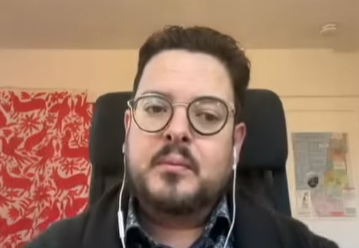
Dr Ghassan Abu-Sittah, a plastic surgeon and prominent Palestinian activist, appeared via video link on Friday before a fitness-to-practise panel of the Medical Practitioners Tribunal Service in Manchester, where a case of misconduct against him was rejected.
It had been brought by the General Medical Council (GMC), which regulates doctors, and was dismissed by the three-person panel after a three-day hearing.
The case related to a newspaper article written by Abu-Sittah for a Lebanese newspaper and two posts on X.
In the article, he had written about the “martyrdom” of Ahmad Nasr Jarrar, who was believed to be a member of Hamas, saying: “The people have no weapon left but revolutionary violence.”
Ian Comfort, the chair of the panel, said the tribunal did not “cherrypick” quotes but considered the article in its entirety, which expressed views critical of political elites in Palestine. Comfort said they could not identify anything that was antisemitic or supportive of terrorism or violence.
Abu-Sittah, who studied at the University of Glasgow and lives in London with his wife and three sons, had also reposted a tweet that said: “We congratulate our brothers in Hamas and our comrades in the Popular Front on the anniversary of their inception.”
Hamas’s political wing became proscribed under the Terrorism Act in 2021. The tribunal said it did not have evidence as to when the tweets were posted other than that it was some time before 2023.
The tribunal further found that the “ordinary reader” would see the tweet as a celebration of an anniversary and not as “material or moral aid” to terrorism.
A second tweet by the medic spoke of “martyrs in the Popular Front for the Liberation of Palestine”, referring to a man who carried out the first operation using a suicide belt, in 1974, and a second man who died during fighting in 1973.
Abu-Sittah said those with an understanding of the political context of the 1970s would see this post as only demonstrating “solidarity” with the Palestinian cause.
Comfort said the tweet, read through the lens of an ordinary, reasonable Arabic reader, could not be seen as inciting or supporting violence or terrorism.
The Kuwaiti-born medic said he had been racially profiled as “inherently violent” because he was a Palestinian and Arab, and accused the organisation UK Lawyers for Israel, which brought the matter to the attention of the GMC, of “trying to destroy my life”.
After the hearing, he said: “My immediate thoughts are with my patients in Beirut, whom I was forced to leave in order to attend these proceedings. I have spent my entire medical career treating the victims of war and political violence. I was therefore deeply shocked to be accused of advocating violence. I do not, and have never, supported violence against civilians.
“This complaint forms part of a broader lawfare strategy which aims to instrumentalise the regulatory processes to intimidate, silence and exhaust those who speak out against injustice in Palestine. This was the second complaint made against me to the GMC by UK Lawyers for Israel, and the 10th complaint made by them overall. The tribunal’s decision now stands in full view of the public.”
A spokesperson for UK Lawyers for Israel said: “It is shocking that the tribunal has found it acceptable for doctors to commemorate acts of violence and pay tribute to terrorists. He has brought the profession into disrepute and Jewish patients are likely to be terrified of being treated by him.”
Ros Emsley-Smith, representing the GMC, said Abu-Sittah had “overstepped the boundary of legitimate political speech and into the realms of misconduct”.
The rector of Glasgow University is elected by students. Abu-Sittah is not a member of university staff and does not speak for the university.