







28 October 2026
With nearly three-quarters of a million Israeli settlers scattered over the Occupied Palestinian Territory, a two-state solution to the Israel-Palestine conundrum might seem wholly unrealistic. But as this article explains, it should not be dismissed altogether, since some version of it may actually suit Israel as well as Western states.
A two-state solution? Here’s why Israelis might eventually accept it and Palestinians must reject it
Anon. 27 October 2026
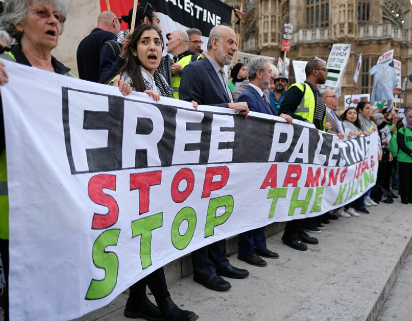
The prospect of a two-state solution now seems so remote that practically all supporters of Palestinian human and political rights have dismissed it as a mirage or merely a cynical ploy to deflect foreign governments from demanding equal rights for everyone living between the Jordan River and the sea. But as criticism of Israel intensifies in the West, governments there may feel compelled to go beyond their present tokenism of sanctioning goods produced in illegal Jewish settlements in the West Bank. It is not completely beyond the realm of possibilities to see Britain, the Northern countries, Ireland, Spain, Canada, etc., threatening to sanction imports from Israel itself. In that case, Israel might appease them by offering a two-state solution. But of course it would be tentative, conditional and completely self-serving. Anxious as Palestinians are for an end to occupation, they must therefore be prepared to reject it.
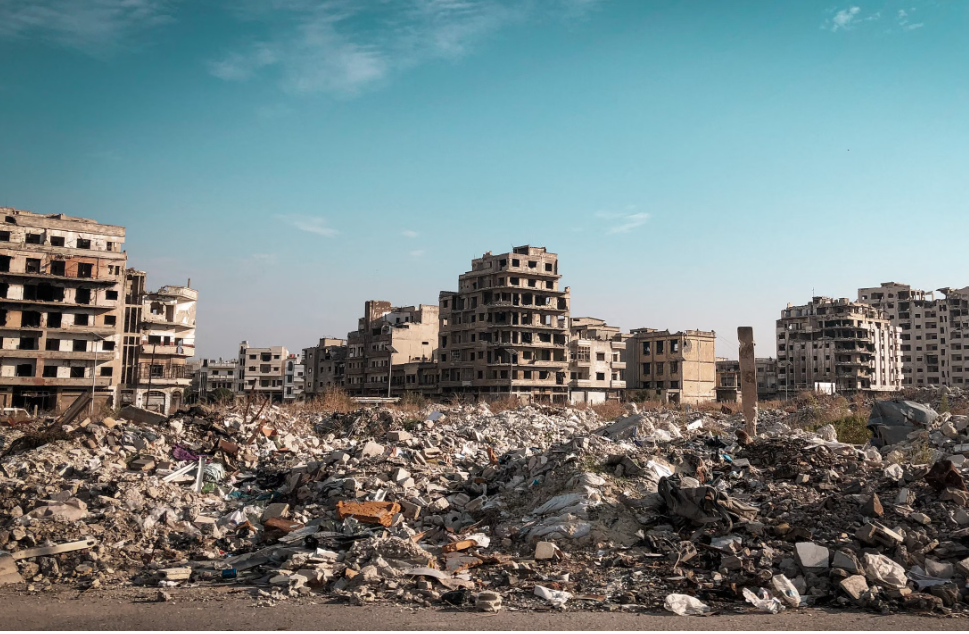
For one thing, Israeli diplomats could be expected to point out the obvious fact that over 700,000 Israelis now live in East Jerusalem and the OPT and, considering how difficult it was to remove 8,000 Jewish settlers from the Gaza strip in 2005, it is unrealistic to expect their government to remove the vastly larger number from Jerusalem and the West Bank. Israel must therefore be permitted to retain the larger settlements, and especially those surrounding Jerusalem. Bearing in mind that Israel has already taken approximately 78 percent of Palestinian land and has recently expropriated two-thirds of the Gaza strip, this might mean that its two-state solution leaves it with as much as 88 per cent of the total. Israelis may find it difficult to “forsake” the remaining 12 per cent of Palestine territory, but it may be just about tolerable given that they are evidently intent upon seizing most of Lebanon below the Litani River and still more land from Syria. It may also be proposed as a solution to the Palestinians of Gaza whose land Israel has made unlivable since October 2023.
That, however, is not all we can expect. Were Israel to “concede” a separate (unarmed, externally monitored) Palestinian rump state, it is all too likely to insist upon transferring to it the Palestinian citizens of Israel, the so-called Israeli Arabs, claiming that they now have a home of their own. From all the evidence this would be hugely popular among the Jews of Israel. Indeed, it would probably make this version of a two-state solution acceptable to them. Of course, it would be disastrous for the more than two million Palestinians who are expelled, the victims of a third Nakba even larger than those of 1948 and 1967. It would also turn the new Palestinian state into another over-crowded open-air prison, as grim as Gaza was before 2023. But it would probably satisfy the Western governments for whom a two-state solution of any sort would enable them to claim a victory and finally wash their hands of the Palestine “problem”.
cover photo by Mosab Shawer courtesy of Activestills